Proceedings · Session S-808 · filed October 15, 2026
Research Funding & PolicySession paper
Indonesia Lines Up Behind UNESCO's Open Science Framework
Indonesia has endorsed UNESCO's open science framework, a directional shift for its research system whose implementation rules, budgets and deadlines remain unspecified.
By Priya Raman3 min read645 words
Summary
- Indonesia has formally backed UNESCO's open science policy, Tempo.co English reported.
- UNESCO's Open Science Recommendation was adopted by member states in November 2021.
- The endorsement carries no stated funding figure, deadline or implementing regulation in the source report.
- Implementation would affect publications, research data and infrastructure access across Indonesian institutions.
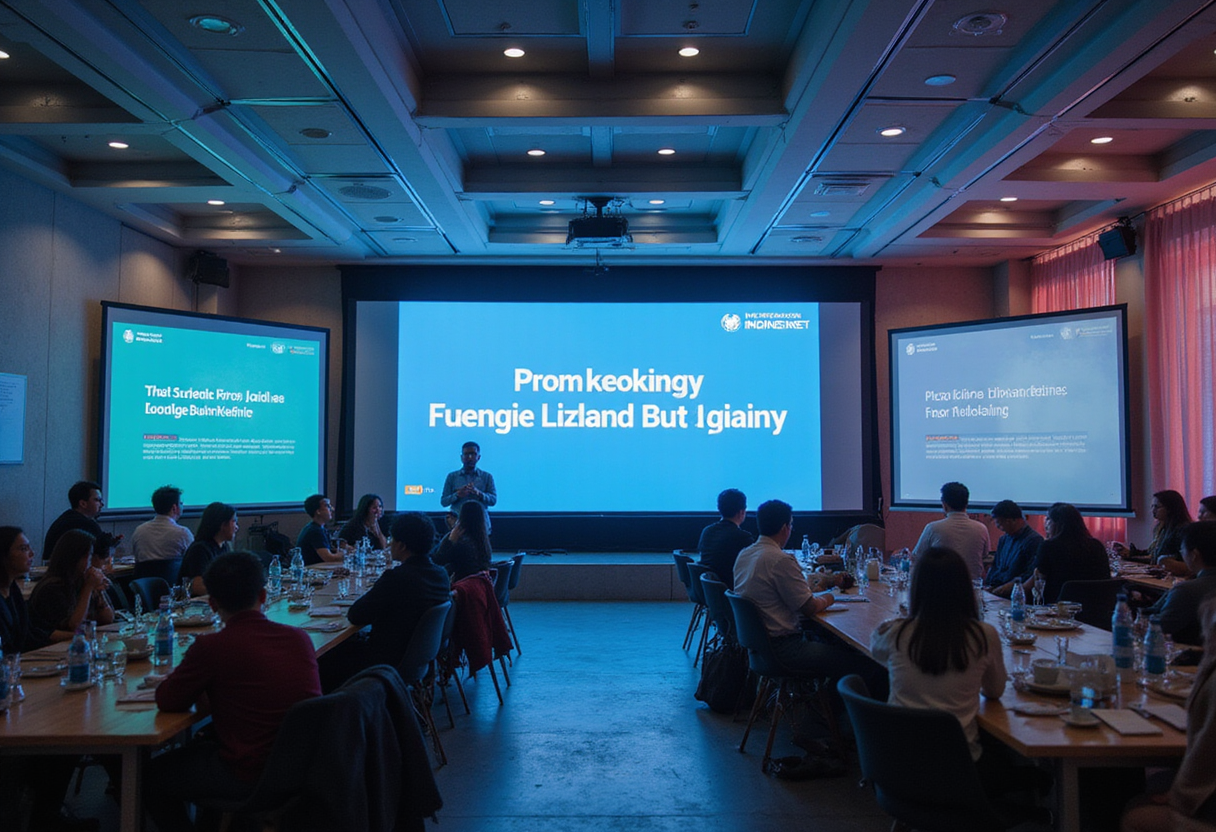
Indonesia has formally backed UNESCO's open science policy, aligning the country's research governance with the framework the UN body has promoted since member states adopted its Recommendation on Open Science in November 2021. The endorsement, reported by Tempo.co English, commits Southeast Asia's largest research system by population to the international push for open access to publications, data and research infrastructure.
For R&D managers at Indonesian institutes, and for international collaborators, the decision reads as a policy signal rather than a single budget line. The Tempo report does not attach a funding figure, a timeline for implementation or a legislative instrument to the announcement, so laboratory leaders should treat it as a directional commitment whose operational consequences remain to be specified.
What does the endorsement actually commit Indonesia to?
UNESCO's framework, which the organisation's member states adopted by consensus at its General Conference in 2021, rests on several pillars: open access to scientific publications, open research data, open educational resources, and wider participation in science by researchers outside traditional institutions. Endorsement places a government broadly behind those goals.
What it does not do, on the evidence available, is bind Indonesian funding agencies, universities or national laboratories to specific mandates. The Tempo item names no implementing regulation, no ministry order and no compliance deadline. That gap matters for portfolio planning, because the difference between an endorsed principle and an enforced mandate determines whether a lab must budget for data repositories, repository fees and open-access article processing charges.
Why does this matter for research workflows?
Indonesia operates one of the developing world's larger higher-education systems, with hundreds of universities and a growing national publication output. A shift toward the UNESCO framework would, if implemented, push that output toward openly licensed repositories and standardized data-management plans.
For principal investigators, the near-term practical questions are concrete:
- Will national research councils condition grants on open-access publication and data deposit, as European funders have done under Plan S-style arrangements?
- Will existing Indonesian journal and repository infrastructure receive the budget needed to handle increased deposit volumes?
- How will intellectual-property rules for university-industry partnerships interact with open-licensing requirements?
None of these questions has an answer in the source report. Each will likely be settled in follow-up regulations from Indonesia's research and technology ministry, which researchers should monitor before adjusting budgets.
How does the move fit the wider open science picture?
UNESCO has spent the period since 2021 persuading member states to translate the Recommendation into national policy. Indonesia's backing, as reported by Tempo, adds a significant Global South voice to that effort, and it follows a broader pattern in which governments cite open science as a tool for equitable access to research results.
The claim deserves the same scrutiny any vendor or institutional claim would receive. Openness commitments often arrive without attached financing, and the gap between endorsement and enforcement is where most open science initiatives stall. The Tempo report gives no sample of implementation measures, no pilot programmes and no named officials beyond the government itself, so the evidentiary base for judging seriousness is thin.
International research organisations with Indonesian partners should note the direction of travel while resisting the temptation to rewrite collaboration agreements ahead of actual rules.
What should R&D managers watch next?
The markers of real commitment will be measurable ones: a national open science roadmap with dates, budget allocations for repositories and data infrastructure, and grant conditions that reference open licensing. Until those appear, Indonesia's endorsement belongs in the policy-risk register rather than the compliance calendar.
The next plausible step, based on how UNESCO's framework has rolled out elsewhere, is a ministry-level implementation document. Whether Jakarta produces one, and how quickly, will show whether this endorsement sets a course or merely registers an opinion.
via Google News: Research & science policy (Source)
Filed under
- open-science
- unesco
- indonesia
- research-policy
- open-access
More from Priya Raman
Show full bio
Staff writer covering money, funding and market shifts around research and development at Hypothesis Wire.
208 articles
References
- Nigeria's Federal Government Seeks Legal Basis for R&D Fund and Council
- India's RDIF clears 19 fund managers in Rs 7,131 crore R&D push
- Vietnam Moves to Reinforce Research Infrastructure for Strategic Tech
- Nigeria's FG Seeks Legal Guarantee for R&D Funding, Minister Says
- Nigeria Plans Dedicated Funding Agency for Research