Proceedings · Session S-534 · filed October 17, 2026
AI & Emerging Tech in R&DSession paper
NuSynth Lands INR 36.5 Crore Seed Funding for AI Chemical R&D
NuSynth Technologies has closed a seed funding round of INR 36.5 crore (approximately USD 4.4 million) to apply artificial intelligence tools to chemical research and development, according to Entrepreneur India.
By Amara Osei3 min read628 words
Summary
- NuSynth Technologies closed a seed round of INR 36.5 crore, roughly USD 4.4 million at current exchange rates
- Stated purpose is applying artificial intelligence to chemical research and development workflows
- The announcement was carried by Entrepreneur India and consists only of a headline in the source as published
- The source does not disclose lead investor, syndicate composition, or platform name
- No technical benchmarks, validation methodology, or pilot partners are disclosed in the available reporting
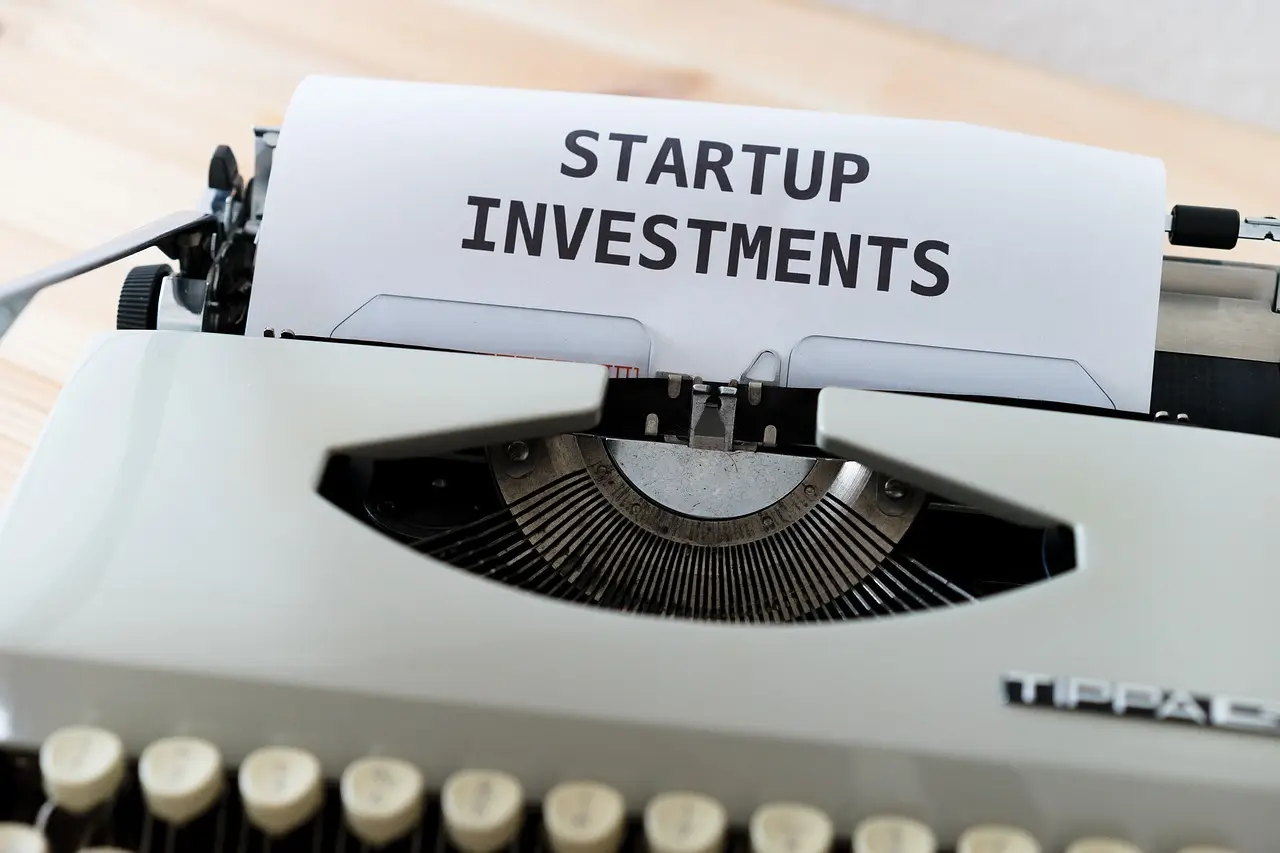
NuSynth Technologies has closed a seed funding round of INR 36.5 crore (approximately USD 4.4 million at current exchange rates) to apply artificial intelligence tools to chemical research and development, according to coverage published by Entrepreneur India.
The transaction places the Indian startup within a growing cohort of deep-technology firms using machine learning to compress experimental timelines that traditionally slow molecule discovery and process optimisation. The round's stated purpose aligns NuSynth with a competitive field spanning retrosynthesis prediction, molecular property modelling, and automated reaction optimisation.
For R&D managers evaluating AI-for-chemistry platforms, the headline figure carries two reading points.
First, INR 36.5 crore at the seed stage ranks above the median for India-based AI start-ups but remains modest against later-stage comparables in the United States and Europe. Second, the seed designation means no commercial deployment data, no published peer-reviewed validation, and no disclosed list of customers or pilot partners, each of which constrains the evidence base an R&D procurement team could audit.
What does the seed-stage label tell procurement teams?
In practice, it signals that the funding covers product development and early pilots rather than scale-up. Procurement officers at pharmaceutical, specialty chemical, and materials companies typically request reference deployments before licensing such tools, and a seed-stage vendor may not yet have them.
Who invested in the round?
The Entrepreneur India headline does not name the lead investor, syndicate composition, or board changes. In deep-tech, the identity of seed backers often signals technical credibility, since investors carrying chemistry-domain expertise lend reputational weight. Without that disclosure, R&D managers cannot map the round to the institutional patterns familiar from comparable raises.
When will the technology reach a verifiable benchmark?
The source provides no timeline, no specific platform name, and no validation methodology. That absence underscores the distance between capital raised and capability demonstrated.
How does the figure compare with peers?
Public reporting on comparable seed rounds for AI-chemistry ventures in recent years has clustered in a band measured in single-digit millions of US dollars. At roughly USD 4.4 million, the NuSynth round sits within that range, comparable in scale to a typical European AI-chemistry seed and below a comparable US-anchored seed.
What remains unanswered?
The Entrepreneur India item, distributed via Google's news aggregation feed, consists of a headline rather than a full article body. No founder interview, no investor statement, and no technical detail are available in the source as published. Until the full article or a regulatory filing surfaces, the announcement functions as a market signal rather than a verifiable procurement option.
Established AI-chemistry vendors typically surface their first peer-reviewed performance metrics within twelve to twenty-four months of a seed close. Buyers evaluating such platforms weigh three signals: independent replication of claimed accuracy on standard datasets, named industrial pilots with disclosed experimental protocols, and published case studies showing time or cost reductions against incumbent workflows.
The absence of those signals in the current announcement does not indicate weakness, only that the data has not yet been disclosed. R&D managers should treat the funding round as a marker of intent rather than a measured result.
What should R&D managers watch next?
The practical question is whether the company will publish benchmark data against standard retrosynthesis datasets such as USPTO-50K or molecular property prediction leaderboards within the next twelve months. Funding alone does not validate a platform; only independent replication or a named industrial pilot does.
The seed round establishes a foundation, not a verdict. Watch for the company's first technical disclosure, the identity of its institutional backers, and any named commercial pilot before treating this announcement as procurement-ready intelligence.
via Google News: R&D funding (Source)
Filed under
- ai-chemistry
- seed-funding
- molecular-discovery
- deep-tech
- retrosynthesis
More from Amara Osei
Show full bio
News editor covering money, funding and market shifts around research and development at Hypothesis Wire.
197 articles
References
- TDB-DST Commits ₹86 Crore to Peptris for AI Drug Discovery
- Nature asks if AI can restructure translational research pipeline
- UT Knoxville's Taufer Lands $9M NSF Award for AI-Driven Discovery
- NIH Funding Crisis Could Reshape Biotech for Years, Drug Discovery News Reports
- Singapore Puts $118m Behind Bioeconomy R&D in Largest-Ever Sector Bet